
Product 04 · AI operating system for disaster management & emergency response

CrisisOS

A shared AI-powered operational picture before, during and after disasters.

CrisisOS coordinates humans, AI agents, emergency assets, vehicles, drones, robots and critical infrastructure across the complete disaster lifecycle.

It is built with Türkiye, the Balkans, MENA and other disaster-prone regions in mind, where preparation, response and recovery have to work as one system.

Disaster lifecycle
  1. Before · Predict & prepare
  2. During · Understand, decide & coordinate
  3. After · Recover & rebuild
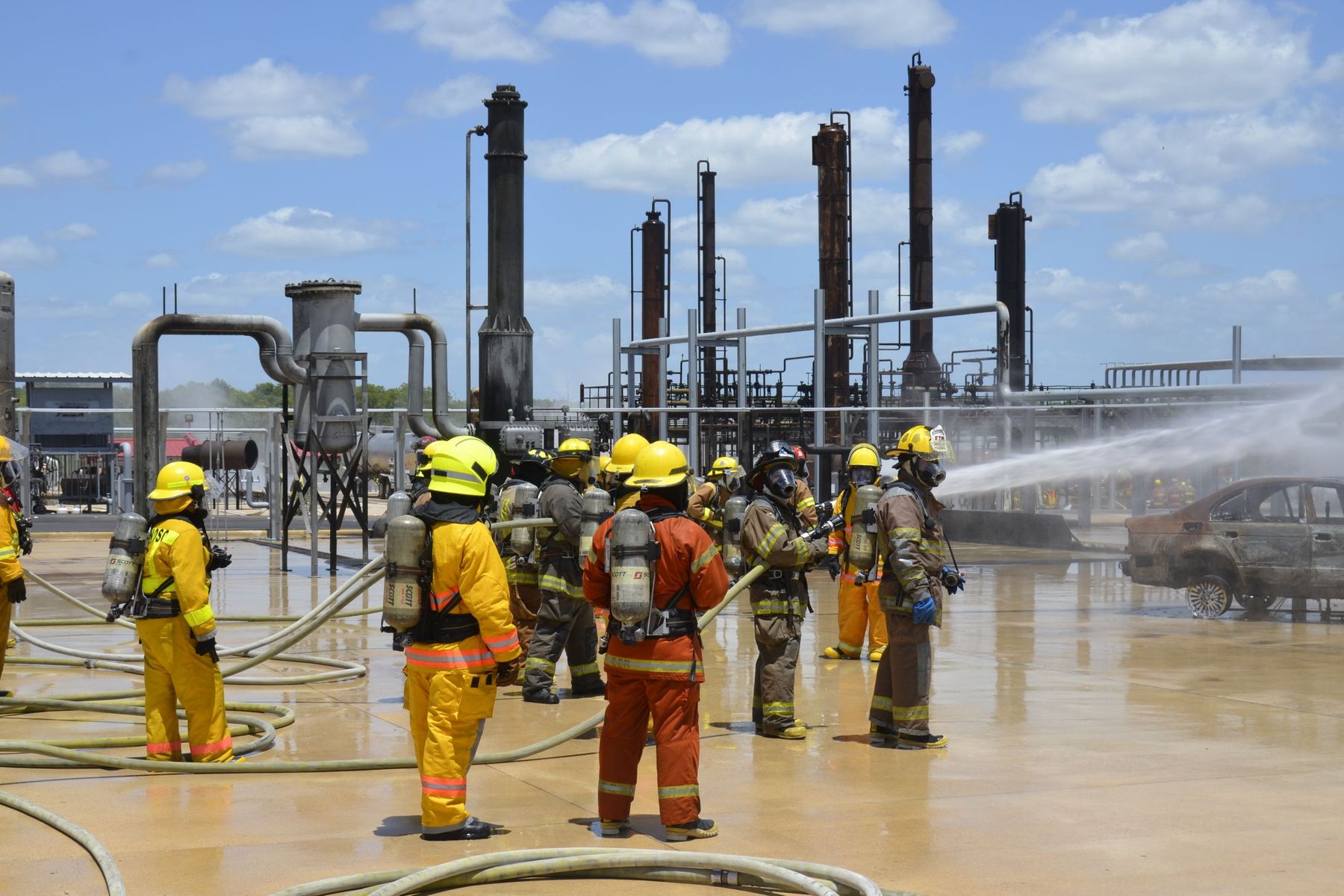
Firefighters in helmets and breathing apparatus spraying water during a training drill at an industrial plant
The complete disaster lifecycle

One operational picture for everyone involved — before, during and after.

A dedicated operating system for disaster management, not a module inside a city platform.

Before

Predict & Prepare

Know the risks, the vulnerabilities and where resources should be.

Risk intelligence and vulnerability intelligence show what could happen and what would be affected. Resource planning answers where ambulances, fire engines, rescue equipment, food, water, temporary shelters and generators should be positioned.

Scenario simulation lets teams ask what-if questions — CrisisOS simulates the infrastructure, population and response implications.

  • What happens if a magnitude-X earthquake affects this district at 03:00?

Risk intelligence

EarthquakeFloodWildfireLandslideExtreme weatherIndustrial accidents

Vulnerability intelligence

BuildingsRoadsBridgesHospitalsSchoolsUtilitiesTelecommunications

Resource planning

AmbulancesFire enginesRescue equipmentFoodWaterTemporary sheltersGenerators
During

Understand, Decide & Coordinate

This is where CrisisOS becomes especially differentiated.

CrisisOS ingests every available signal and creates a continuously updated Common Operational Picture. Specialised agents then operate over it — identifying incidents, assessing damage, prioritising search and rescue, and allocating teams, routes, medical capacity, shelters and supplies.

Common Operational Picture

One continuously updated view of the disaster, shared by every responder, agency and agent.

It ingests

Satellite imageryDronesIoT sensorsEmergency callsCitizen reportsSocial signalsGISTrafficWeatherInfrastructure systemsField teams
After

Recover & Rebuild

Restore what matters most first, and learn for the next time.

From damage assessment and recovery priorities to aid distribution and reconstruction, CrisisOS keeps recovery coordinated — and feeds every lesson back into future scenarios and preparedness planning.

Recovery modules

  • AI Damage Assessment — satellite and drone imagery, municipal records and field inspections
  • Recovery Prioritisation — which roads, buildings, utilities, schools and hospitals should be restored first
  • Aid Intelligence — who received what assistance, where gaps exist and where resources should move
  • Reconstruction Intelligence — cost estimation, project prioritisation and progress monitoring
  • Lessons Learned AI — after-action analysis that feeds future disaster scenarios and preparedness planning
Specialised agents

Nine agents operating over the Common Operational Picture.

Each agent owns one part of the response and hands its recommendations to the people in command.

  • 01

    Incident Agent

    Identifies and classifies incidents.

  • 02

    Damage Assessment Agent

    Analyses satellite and drone imagery and field information.

  • 03

    Search & Rescue Agent

    Prioritises locations.

  • 04

    Resource Agent

    Allocates teams and equipment.

  • 05

    Route Agent

    Determines accessible routes.

  • 06

    Medical Agent

    Matches casualties with available healthcare capacity.

  • 07

    Shelter Agent

    Optimises shelter allocation.

  • 08

    Logistics Agent

    Coordinates water, food, fuel and equipment.

  • 09

    Infrastructure Agent

    Prioritises restoration of electricity, water, roads and communications.

Human command remains central

CrisisOS recommends. The authorised commander decides.

The authorised emergency commander approves or modifies the recommendation. Then the system coordinates execution.

Beelgha Control defines which actions agents may take on their own, which require approval, and how every decision is audited and, if needed, stopped.

CrisisOS recommendsAwaiting commander

“Send Rescue Team 17 to Zone B through Route 4.”

After approval, CrisisOS coordinates execution with the team, the route and the receiving facilities.
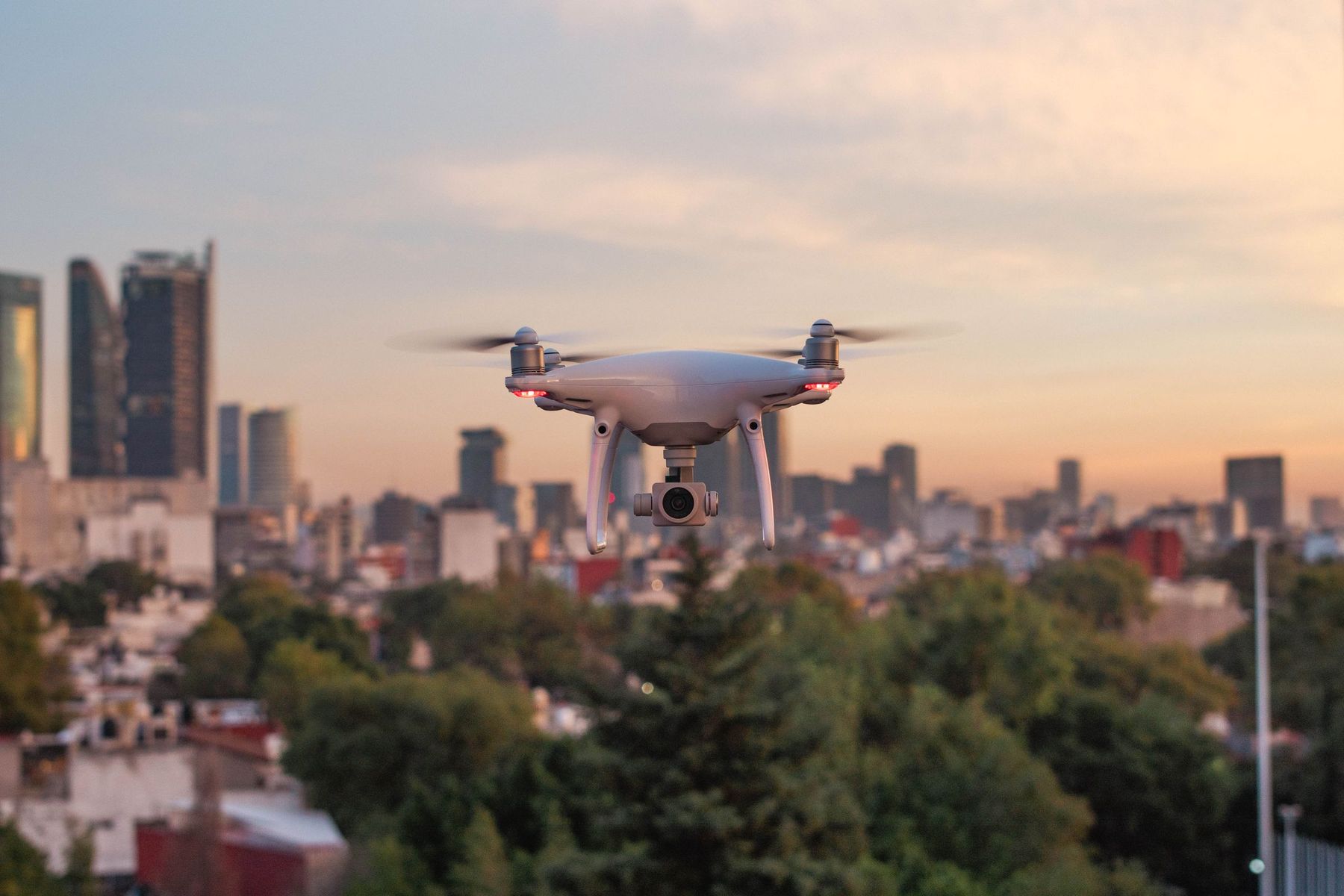
White quadcopter drone hovering above trees with a city skyline behind it at dusk CrisisOS + SUSTAIN
CrisisOS + SUSTAIN

Mission-critical asset and readiness intelligence.

SUSTAIN is a core component shared by GovOS and CrisisOS. In disaster management it tracks ambulances, fire engines, rescue vehicles, generators and emergency equipment.

  • What assets do we have, and where are they?
  • Are they operational, and when might they fail?
  • What is our operational readiness?
  • What happens if critical assets become unavailable?
Discover SUSTAIN
Get started

Bring AI-native operations to your organisation.

Tell us about your factory, institution, city or emergency operation. We will show you where Beelgha fits and what a first pilot could look like.